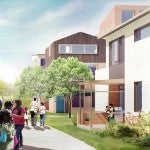
COVID-19 has disproportionately impacted the lives of low-income families living in homes that were in need of repairs even before the pandemic. A pilot study involving 16 Fifth Ward households was launched to better understand how stay-at-home stress affected underserved residents both during and after the “Stay Home, Work Safe” order in Harris County.
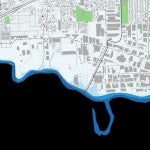
As the Buffalo Bayou Partnership looks east, some of the first improvements planned include mixed-income housing options, a Japhet Creek pocket park in the lower Fifth Ward, wharf and dock reconstruction in the Second Ward and filling gaps in existing trails. But it all started with connecting to communities.
As access to the COVID-19 vaccination becomes increasingly widespread, it seems possible to see the light at the end of the tunnel. But what’s next for cities? Here are six ways cities will be different — from Zoomburbs and public transit to the fate of retail and housing — in the years to come.
Women faced disadvantages in pay and promotions at work before COVID-19, and for many, the pandemic has only widened that deficit. How can we better address those gaps and improve equity in the years to come?
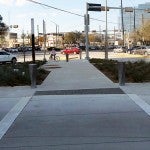
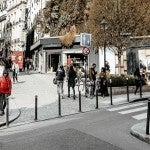
When a west Houston intersection was retrofitted with infrastructure to protect pedestrians, City Observatory’s Joe Cortright called the redesign hollow and ‘performative.’ But it’s not that simple.
In the past, the influx of Californians to Texas has fluctuated from year to year. However, since 2018, the West Coast migration has remained high. Why is that? (Hint: It’s not oil prices.)
How rebuilding freeways has helped heal mid-20th-century transportation scars in cities like San Francisco, Dallas, Syracuse and Washington, D.C., along with a cautionary tale from Houston.
Like many resources in Houston, access to the COVID-19 vaccine is concentrated on the west side of the city, while the greatest need and impact of the disease is concentrated among the residents on the east side.
In the past 10 years, the number of people who have died while walking in the United States has shot up by more than 50%. In Houston, pedestrian deaths have more than doubled in that time — spiking 125%. In “Right of Way,” Angie Schmitt examines the crisis of pedestrian injuries and fatalities across the U.S. — a crisis that disproportionately impacts low-income and minority communities.
We couldn’t help but notice that the suburb north of Dallas consistently ranks high on many of those “best cities for (fill in the blank)” lists we see so often. What is Plano’s secret?
What does cancer treatment have to do with fighting climate change, the COVID-19 pandemic and neighborhood-level urban planning? Taking preventive steps today can literally save us all tomorrow.
In 2020, many American companies and their employees embraced working from home, and polls show the majority of workers want to continue the arrangement after the pandemic is over. With so many spending much more time at home, what design trends will benefit workers, households and individuals the most?
Here are the 10 most-viewed — and some of the most-engaging — Urban Edge stories of the year, as well as a look at how the Kinder Institute and its researchers are providing the insight needed to solve cities’ equity problems.
The year in review or the year in the rearview mirror? In 2020, we’ve seen a once-a-century pandemic amplify and exacerbate many of America’s long-existing disparities. We’ve also seen life-affirming kindness, dedication and sacrifice from so many fighting the effects of COVID-19 on a number of fronts. Here are some of the simple things that helped sustain us during the coronavirus crisis.
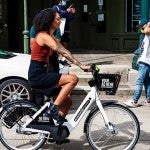
BCycle rolls out the first batch of its electric bikes, which could help riders go farther and choose to bike more often. The boost from the e-bikes, along with plans to install more docking stations, should extend the network’s reach and improve access to biking for many in the city.