

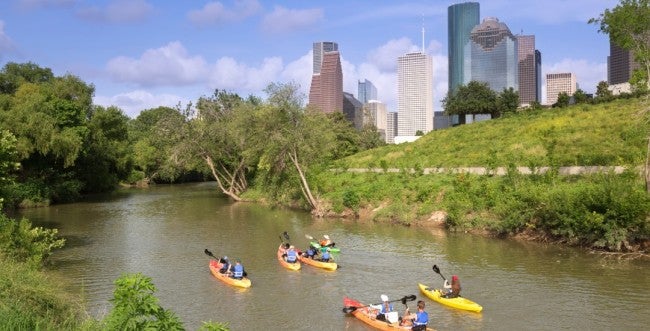
Will America ever change? Imperfect Houston has shown it can happen
In “Prophetic City,” Stephen Klineberg shows us where change has taken Houston and where it’s likely to take the nation.
INSIGHTS:
EDUCATION, PUBLIC HEALTH
Will America ever change? Imperfect Houston has shown it can happen
In “Prophetic City,” Stephen Klineberg shows us where change has taken Houston and where it’s likely to take the nation.
Texas named America’s 5th most dangerous state in 2020
The safety rankings were determined by comparing states’ level of coronavirus support, rate of unemployment, uninsured rate and financial costs of climate disasters per capita, among other criteria.

Per-pupil spending for poor students is too low in Texas
Researchers have developed a cost model to estimate the amount of funding needed to achieve national-average outcomes for poor students in each state. Their research shows Texas falls far short of adequate funding, and the Houston Independent School District spends less than half of what would be needed to achieve national-average outcomes.
They were studying urban inequalities when a pandemic that worsens disparities hit
When colleges and universities moved to online classes in response to the coronavirus pandemic, student fellows in the Kinder Institute’s Community Bridges program pivoted as well, turning their focus to the relationship between COVID-19 and inequality.

How will property tax reform impact cities? Houston’s revenue cap offers insight
The state’s property tax reform bill, which limits the amount cities and counties can raise property taxes to 3.5%, is expected to significantly affect one of the largest sources of revenue for local governments. Many will be looking for ways to circumvent the financial constraints of the measure. That’s something Houston has been dealing with since 2004.
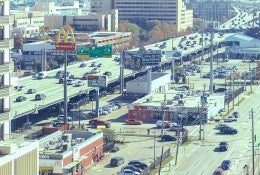
4 things limiting Houston’s ability to generate more revenue
Houston lost $25 million in sales tax revenue in March alone because of COVID-19. But the city’s fiscal struggles existed before the coronavirus pandemic. A new Kinder Institute report compares the revenue sources and service levels among the three largest cities in Texas — Houston, Dallas and San Antonio — all of which are expected to see COVID-19-related revenue losses of between 10 and 15%. Of the three, Houston is the most constrained in its options for increasing revenue.
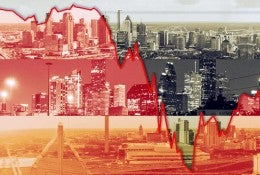
If you’re lucky enough to work from home, where will home be after the pandemic?
The COVID-19 crisis forced many companies to quickly transition to work from home. Now, as the economy continues to open up, businesses have to decide if they’ll go back to the onsite world of the old normal or continue with the remote-work model of the new normal. Employees of companies that choose the latter will have more options for where they live and office, including the Urban Hotel, the Suburban Workshop and the Exurban Metropolis.

How Houston can reinvent itself and be bigger and better
As the city faces an economic crisis brought by the coronavirus pandemic and the downturn in oil, it needs to recognize the enormous opportunity to make changes that are necessary to become a leading 21st-century city.
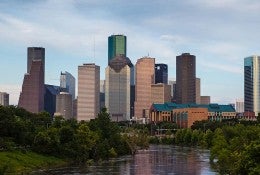
Survey: The jobs of at least 35% of Houston workers have been impacted by COVID-19
Many have lost jobs and many more have seen pay and hours cut during the pandemic. Industries that have been able to transition to work-from-home have been some of the least impacted.

At the complicated intersection of cars, housing and a fast-growing, sprawling city
Research related to Houston’s problems with ‘newly poor’ neighborhoods, housing affordability, auto loan debt, transportation and COVID-19 all point to one overarching issue: Inequality.

Stay updated with the Kinder e-NEWS — highlighting research, data and events driving Houston forward. For deeper dives and smart solutions, subscribe to the Urban Edge.
Rice University
Kraft Hall
6100 Main Street, Suite 305
Houston, TX 77005-1892