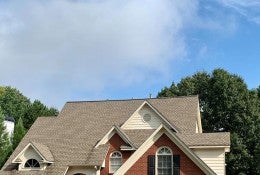
COVID-19 has disproportionately impacted the lives of low-income families living in homes that were in need of repairs even before the pandemic. A pilot study involving 16 Fifth Ward households was launched to better understand how stay-at-home stress affected underserved residents both during and after the “Stay Home, Work Safe” order in Harris County.
A new report shows most local economies aren’t delivering enough high-quality jobs to support the cost of raising a family. As cities across the nation work to recover from a recession that has worsened the preexisting challenge of struggling families, how can more jobs be created or upgraded to pay a family-sustaining wage?
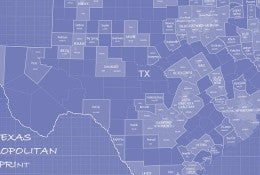
Texas metros are the engines driving the state’s robust economy. To ensure things run smoothly in the future, metropolitan areas need to be at the center of state policy. The collaborative Texas Metropolitan Blueprint provides a plan for continuing and building on the metropolitan progress that benefits the entire state.
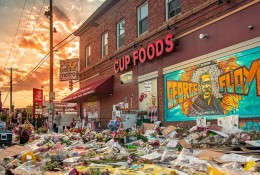
In the 10 months since the killing of George Floyd, has policing in America changed at all? We need to rethink what it means to protect and serve the well-being of citizens.
As the Buffalo Bayou Partnership looks east, some of the first improvements planned include mixed-income housing options, a Japhet Creek pocket park in the lower Fifth Ward, wharf and dock reconstruction in the Second Ward and filling gaps in existing trails. But it all started with connecting to communities.
With more extreme weather events and disasters in our future, we need to change how our city prepares for these shocks and their long-lasting impacts so that Houstonians will take disaster preparedness more seriously.
As access to the COVID-19 vaccination becomes increasingly widespread, it seems possible to see the light at the end of the tunnel. But what’s next for cities? Here are six ways cities will be different — from Zoomburbs and public transit to the fate of retail and housing — in the years to come.
As the housing demand continues to outpace supply, prices have risen to levels not seen since 2008. While industry analysts don’t see the current boom going bust like the one leading up to the Great Recession, they are nonetheless concerned. One fear is the market could put homeownership out of reach for a generation of Americans and be bad for everyone in the long run.
Women faced disadvantages in pay and promotions at work before COVID-19, and for many, the pandemic has only widened that deficit. How can we better address those gaps and improve equity in the years to come?
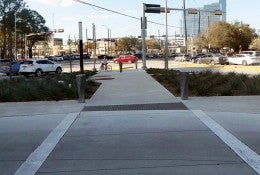
When a west Houston intersection was retrofitted with infrastructure to protect pedestrians, City Observatory’s Joe Cortright called the redesign hollow and ‘performative.’ But it’s not that simple.
FEATURES:
TRANSPORTATION
Body
Insights in your inbox
Stay updated with the Kinder e-NEWS — highlighting research, data and events driving Houston forward. For deeper dives and smart solutions, subscribe to the Urban Edge.