A recently released traffic index shows the dramatic effect remote work and stay-at-home orders had on congestion levels in more than 400 cities around the world, including 80 in the U.S. Houston saw 33% less traffic in 2020 than in 2019, and the congestion level dropped from 24% to 16%. But as the COVID-19 vaccine is more widely distributed and driving habits move toward pre-pandemic levels, the declines are expected to disappear.
A shocking 70% of the nation’s 1,036 majority-Black ZIP codes are considered “distressed,” while only 19 — 1.8% — rank as “prosperous,” according to one analysis. Two of those prosperous ZIP codes are in Fort Bend County.
With a rich history as a philanthropic city, Houston has a reputation as one of the nation’s most charitable metros. However, a recent ranking doesn’t find the city to be quite so generous.
Pedestrians and bicyclists accounted for 38% of all roadway deaths in Houston in 2019 — a 3% increase from 2018. Overall, 647 people were killed in fatal crashes in the Houston area in 2019, according to NHTSA data released in December. Prioritizing speed on local roads is the dangerous status quo in the U.S., but many cities are taking action to try and make safety the priority.
In the Houston area and affordable metros and small- and mid-size cities across the U.S., sales of single-family homes are on pace to hit record highs. How much of the boom can be attributed to the COVID-19 crisis?
In the past three decades, the populations of these counties near Houston, Austin and Dallas have tripled in size, become less white and shifted politically. Here’s a closer look.
New research indicates federal and local COVID-19 relief programs were effective in helping to buoy small businesses with injections of cash earlier in the pandemic. And as the pandemic drags on, additional action may be necessary.
More than 325,000 16- to 29-year-olds have filed jobless claims since the COVID-19 outbreak began, many of them worked in accommodation, food services and retail — trade sectors hit hardest by the pandemic.
Where you live determines to a great extent how much access you have to quality education, health care, housing, public services and more. More access correlates to better outcomes in life. One-third of the Black population and almost one-third of the Hispanic population of Texas live in an economically distressed community. The populations of the Houston area’s distressed ZIP codes predominantly are people of color.
It depends on whom you ask, but according to one list, it does. Overall, suburban cities in the Houston area are affordable and economically healthy, but they don’t stack up well when it comes to education, health and quality of life.
Research shows that students in higher-poverty school districts are less likely to complete the FAFSA than students in wealthier districts. So far this year, which has been greatly disrupted by the pandemic, completion rates are down at all levels, especially in high-minority and Title 1 high schools.
Though Houston, Dallas, San Antonio and Austin all continue to grow, their suburban neighbors — led by Frisco — appear to be outpacing the biggest cities in Texas.
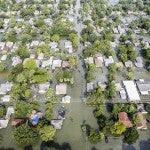
New risk models show nearly twice as many properties are at risk from a 100-year flood today than the government's flood maps indicate. Analysis of damage from Hurricane Harvey shows Black and Hispanic residents disproportionately experienced flooding in areas beyond FEMA’s 100-year flood zones.
New research shows that 50 years after laws were put in place to stop the use of race in real estate appraisals, homes in neighborhoods of color are still being undervalued.
Using a random sample designed by Rice University researchers, the results of the COVID-19 antibody testing survey will provide an accurate count of infections among the 2.3 million people living in Houston.