My wife and I couldn’t believe it. When we retired and moved back home to Houston’s historically Black Pleasantville, just east of downtown, we smelled the unmistakable odor of the petrochemical plants and saw the close-knit community where we’d grown up surrounded by noisy freeways. The apartments where friends of mine lived had been replaced by warehouses swarming with old diesel trucks.
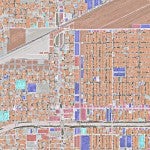
A new book, “Arbitrary Lines,” argues that a century of zoning has hardened racial and class segregation in cities across the U.S. and worsened the effects of inequality by making it almost impossible to build anything but single-family homes in some cities. Author and planner M. Nolan Gray says there is a better way: Just look at Houston.
In the wake of two historically devastating storms in 2017, financial aid from the Federal Emergency Management Agency and the U.S. Department of Housing and Urban Development contributed to an increase in wealth inequality.
Friendswood, a close-knit suburb southeast of Houston that routinely makes lists for being the “best place to raise a family,” also serves as a case study for how flaws in the federal approach to flood insurance and disaster recovery aid resulted in fractured outcomes even among similarly situated middle-class neighbors after Hurricane Harvey.
This comprehensive study of educational equity throughout Houston ISD focuses on understanding whether historically marginalized student populations in the district have the resources they need to be successful in the classroom and beyond.
Schools are enrolling now for next year across Houston and the state of Texas, with officials in many districts still hoping to bring their headcounts back up to prepandemic levels, particularly prekindergarten, which has 25,000 fewer students than it did in 2019-20.
About every quarter, the Urban Edge takes a break from its usual in-depth research-focused topics to assess the latest rankings of cities and states—some silly, some serious—and what they might tell us about Houston and Texas and their standing in the world of urban life. Today, we have to start with the bad news, where Texas is literally the worst.
Racial inequities have long plagued the U.S. housing market. Yet only recently has the federal government moved to address one aspect of the real estate industry that continues to exacerbate the racial wealth gap in housing: appraisals.
This week marks the first anniversary of an especially grim event in Texas’ history. Winter Storm Uri touched nearly every corner of the state with power outages that affected millions of people and led to at least 246 lives lost. Unofficial counts put the death toll at three times that number.
Houston has made considerable progress in reducing homelessness in the past decade. We know exactly what it will take to become the first major city to effectively end homelessness—including how many affordable housing units we’ll need to build.
The LULAC House in Houston's Midtown neighborhood has hosted presidents and has helped launch social programs that would inspire federal efforts that continue to this day. This symbol of collective Hispanic political power could be a rallying point and a shared ground for advocates for Houston and the Latinx community alike—if it can be saved.
Racial segregation is so prevalent in American cities that it can seem normal, even natural. Many Americans, including government officials and everyday housing consumers, view segregation in this way. Housing market professionals, or those who professionally assist consumers with home buying or selling, are no exception.
A flood on its own can be disastrous. But floodwaters combined with decades-old toxic waste sites and releases of potentially cancer-causing chemicals—that’s dangerous. Unfortunately, heightened flood risks are unevenly dispersed throughout Harris County.
A new book revisits a flood that devastated San Antonio, claimed hundreds of lives and reshaped the city. It also led to the construction San Antonio’s first modern flood infrastructure and the development of the nation’s earliest environmental justice movements as Hispanic people confronted deadly disparities in housing and flood control.
With 25 years of service, the Girls Empowerment Network's focus on listening and being responsive to its clients drove home a key lesson: For any nonprofit to be effective, it needs to continually make its services accessible to people.