In 2020, many American companies and their employees embraced working from home, and polls show the majority of workers want to continue the arrangement after the pandemic is over. With so many spending much more time at home, what design trends will benefit workers, households and individuals the most?
In August, Urban Harvest launched its mobile market to bring healthy and affordable food options to underserved areas with limited access to fresh fruits and vegetables. The nonprofit collaborated with the Kinder Institute’s Houston Community Data Connections to create a data-based decision support tool that helps ensure the mobile market is being dispatched to areas of Houston where residents need it the most.
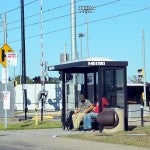
According to LINK Houston’s “Equity in Transit: 2020” report, roughly 867,000 Houston residents live in areas warranting more affordable transportation options for people who walk, bike and ride public transit. Transit plays a central role in connecting people to jobs, education, health care and many other opportunities.
Tamika L. Butler loves biking, transit and transportation, and she advocates for all three because she cares about her family and wants to build a better world for them. That’s why, when talking about transportation, planning and the built environment — especially now, when transit agencies are considering drastic cuts because of the pandemic — she always talks about race.
New research indicates federal and local COVID-19 relief programs were effective in helping to buoy small businesses with injections of cash earlier in the pandemic. And as the pandemic drags on, additional action may be necessary.
New reports on rental market trends show Houston, Austin and other Texas Triangle cities are hotspots for millennials while many of the most expensive U.S. cities for renters have seen prices decrease in the past year.
More than 325,000 16- to 29-year-olds have filed jobless claims since the COVID-19 outbreak began, many of them worked in accommodation, food services and retail — trade sectors hit hardest by the pandemic.
These are frightening times, but there are safe ways to celebrate Halloween this year. It’s important to follow the guidelines on hygiene and social distancing and know the risk of COVID-19 infection where you live. There’s even a color-coded map to help you assess the risk level by county.
It depends on whom you ask, but according to one list, it does. Overall, suburban cities in the Houston area are affordable and economically healthy, but they don’t stack up well when it comes to education, health and quality of life.
Great public spaces are equitable places that bring people who are not the same together. Cities need to think bigger when it comes to funding parks, trails, libraries and other civic assets because the return on investment can be huge.
A rebate program for e-bikes would make them more affordable for residents who can’t afford an electric car and give others greater incentive to choose a mode of transportation that isn’t powered by fossil fuel.
Using a random sample designed by Rice University researchers, the results of the COVID-19 antibody testing survey will provide an accurate count of infections among the 2.3 million people living in Houston.
Researchers at the Kinder Institute estimated the annual cost of evictions to Harris County, where more people are evicted each year than anywhere in the U.S., with the exception of New York. The increasing costs of evictions eat up funding that could go toward improving the county’s public health, transportation, public safety and education infrastructure.
Overall, 63% of Houston households have faced serious financial problems related to the COVID-19 crisis. And the overwhelming majority of Black (81%) and Latino (77%) households report having major financial troubles, according to a recent survey.
Janis Scott cares deeply about transit equity. Known in the community as the “Bus Lady,” Scott has been riding METRO all of her life and considers public transit her lifeline to the world.