

America needs more police — just a different kind
URBAN EDGE :
In the 10 months since the killing of George Floyd, has policing in America changed at all? We need to rethink what it means to protect and serve the well-being of citizens.
America needs more police — just a different kind
In the 10 months since the killing of George Floyd, has policing in America changed at all? We need to rethink what it means to protect and serve the well-being of citizens.

Giving Buffalo Bayou ‘back to the people’ of the East End
As the Buffalo Bayou Partnership looks east, some of the first improvements planned include mixed-income housing options, a Japhet Creek pocket park in the lower Fifth Ward, wharf and dock reconstruction in the Second Ward and filling gaps in existing trails. But it all started with connecting to communities.

3 ways the city can help Houstonians better prepare for the next pileup of disasters
With more extreme weather events and disasters in our future, we need to change how our city prepares for these shocks and their long-lasting impacts so that Houstonians will take disaster preparedness more seriously.

6 post-pandemic predictions about how cities will be different going forward
As access to the COVID-19 vaccination becomes increasingly widespread, it seems possible to see the light at the end of the tunnel. But what’s next for cities? Here are six ways cities will be different — from Zoomburbs and public transit to the fate of retail and housing — in the years to come.

Why it’s time to worry about soaring home prices in America
As the housing demand continues to outpace supply, prices have risen to levels not seen since 2008. While industry analysts don’t see the current boom going bust like the one leading up to the Great Recession, they are nonetheless concerned. One fear is the market could put homeownership out of reach for a generation of Americans and be bad for everyone in the long run.

Houston is a top city for women in tech. Gender equity will make it better.
Women faced disadvantages in pay and promotions at work before COVID-19, and for many, the pandemic has only widened that deficit. How can we better address those gaps and improve equity in the years to come?

It seems like all of California is moving to Texas. Is that true?
In the past, the influx of Californians to Texas has fluctuated from year to year. However, since 2018, the West Coast migration has remained high. Why is that? (Hint: It’s not oil prices.)

One year in, what progress has Houston made in its plan to build resilience?
In 2020, the City of Houston and regional stakeholders cemented a resilience strategy and a climate action plan, which were adapted to reflect COVID-19’s impact on urban life. The Kinder Institute has gathered information and updates on the progress made in the first year of these efforts in one place.

Now that failing infrastructure has our attention, it needs our investment
There’s no question the United States is living off past investments in infrastructure without building the new infrastructure we need — or even upgrading the old infrastructure we have. It’s time to invest heavily in quasi-public infrastructure and ramp up effective public oversight of that infrastructure so it will work for us in emergency situations.

Mapping inequity in Houston’s COVID-19 vaccination rollout
Like many resources in Houston, access to the COVID-19 vaccine is concentrated on the west side of the city, while the greatest need and impact of the disease is concentrated among the residents on the east side.
The pandemic helped Houston move up on the list of greenest cities
Shifts in travel habits because of the pandemic, including less driving and more active transportation, drove the metro’s improved ranking among the most climate-friendly areas in the U.S.

A Bottom-Up Infrastructure Strategy for American Renewal
This report identifies infrastructure priorities identified by local and regional leaders around the nation. Conclusions provide an important set of guideposts about priorities the new administration should take into account in crafting a national infrastructure strategy.

The US needs a bottom-up plan to fix its glaring infrastructure needs
A major, federally led infrastructure strategy is vital to meeting the nation’s challenges. A new Kinder Institute report shows that to be truly responsive to the needs of America’s cities and regions, a bottom-up consultation process with regional and local leaders and a focus on three priorities will be necessary.
Shedding light on the invisible epidemic of pedestrian deaths in America
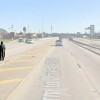
In the past 10 years, the number of people who have died while walking in the United States has shot up by more than 50%. In Houston, pedestrian deaths have more than doubled in that time — spiking 125%. In “Right of Way,” Angie Schmitt examines the crisis of pedestrian injuries and fatalities across the U.S. — a crisis that disproportionately impacts low-income and minority communities.

We couldn’t help but notice that the suburb north of Dallas consistently ranks high on many of those “best cities for (fill in the blank)” lists we see so often. What is Plano’s secret?
Rice University
Kraft Hall
6100 Main Street, Suite 305
Houston, TX 77005-1892