How rebuilding freeways has helped heal mid-20th-century transportation scars in cities like San Francisco, Dallas, Syracuse and Washington, D.C., along with a cautionary tale from Houston.
FEATURES:
PLACEMAKING | TRANSPORTATION | SOCIAL AND ECONOMIC DISPARITY
Shifts in travel habits because of the pandemic, including less driving and more active transportation, drove the metro’s improved ranking among the most climate-friendly areas in the U.S.
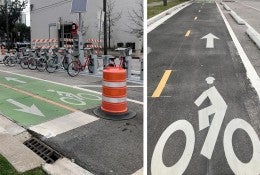
Whether you ride a bike full time or part time, just for fun or for transportation, BikeHouston’s new executive director wants to make it safer to ride a bike in Houston. It’s why he left New York to come here.
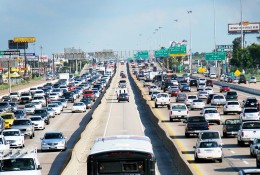
A recently released traffic index shows the dramatic effect remote work and stay-at-home orders had on congestion levels in more than 400 cities around the world, including 80 in the U.S. Houston saw 33% less traffic in 2020 than in 2019, and the congestion level dropped from 24% to 16%. But as the COVID-19 vaccine is more widely distributed and driving habits move toward pre-pandemic levels, the declines are expected to disappear.
Pedestrians and bicyclists accounted for 38% of all roadway deaths in Houston in 2019 — a 3% increase from 2018. Overall, 647 people were killed in fatal crashes in the Houston area in 2019, according to NHTSA data released in December. Prioritizing speed on local roads is the dangerous status quo in the U.S., but many cities are taking action to try and make safety the priority.