Many nonvoting eligible voters reported feeling disengaged or dissatisfied with the electoral process, and many remain unregistered or unmotivated for the 2026 midterm elections.
Residents want Asian Americans’ voices more fully incorporated into public decision-making, and see a need for greater political engagement and representation for that to happen.
Most Houston residents value democracy, yet widespread dissatisfaction with the U.S. political system leaves many local residents wanting societal change.
This study surveyed Houston residents about their views on a variety of policy and budgetary solutions related to crime, infrastructure and housing challenges.
This document evaluates efforts undertaken by Houston in Action and partners across Harris County, Texasduring the 2020 “Say Yes to the Census” campaign. The primary goal is to understand whether efforts to contact individuals in Harris County and inform them about the 2020 Census had an impact on the 2020 Census response rates.
Commissioned by Houston Endowment, this study examines the state of civic health in Greater Houston (the Houston MSA) to better understand civic attitudes and behaviors as well as political participation.
The report examines a host of indicators regarding mayoral elections in Indiana, including mayoral races in 474 general elections and 706 primary elections in more than 120 Indiana cities.
Building people’s voting identity and getting them to commit to voting can help enhance our democracy, the Kinder Institute's Dan Potter and Dylan Simburger write.
For most Texans, the first vote they’ll cast this election cycle revolves around a little-known school with big plans for serving the state’s workforce.
Proposition 1 asks voters to deliver a significant financial boost to Texas State Technical College, a state-funded network of 11 campuses serving nearly 14,000 students this year, including about 1,000 through its Fort Bend County site. The extra revenue, expected to total tens of millions of dollars annually, would help TSTC grow its existing campuses and potentially expand to other parts of Texas.
INSIGHTS:
EDUCATION | ELECTIONS AND CIVIC ENGAGEMENT | SOCIAL AND ECONOMIC DISPARITY
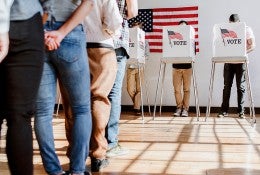
Recent research from the Kinder Institute suggests more than 6 in 10 eligible voters in Houston are expected to vote in the upcoming election. But if past turnout trends and our data are valid guides, we are looking at another election in which the voices of young adults and Hispanics will be underrepresented.
When it comes to potential voter strength, not all areas of Houston are the same. More densely populated areas generally have more registered voters, and some areas have fewer registered voters than they could have if every adult were accounted for.