English learners who have trouble moving on to English-only classes often have issues with low grades and test scores, and are at greater risk of dropping out. New data analysis from the Houston Education Research Consortium shows that, since 2007, there has been a significant increase in the number of Houston-area students who are taking longer than five years to learn English.
If action isn’t taken now to address and counter the disruptions in the education of students during the COVID-19 pandemic, the damage will be long-lasting and disproportionate. Here are some ways to deal with the impact.
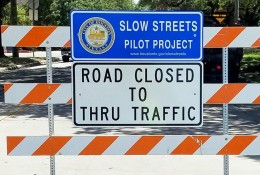
Despite good intentions, the city’s three-month “slow streets” experiment in Eastwood may have been undone by efforts to react quickly to the circumstances of the pandemic. But the lessons learned could improve the initiative going forward.
For many, the pandemic has been a time of self-reflection and reassessing how and why we spend our days doing what we do and the quality of our lives. That includes what we eat and where it comes from, which has led to a renewed interest in urban gardens. How can cities rethink the use of land and shared spaces in ways that promote gardening and help residents reap the rewards?
COVID-19 has disproportionately impacted the lives of low-income families living in homes that were in need of repairs even before the pandemic. A pilot study involving 16 Fifth Ward households was launched to better understand how stay-at-home stress affected underserved residents both during and after the “Stay Home, Work Safe” order in Harris County.
A new report shows most local economies aren’t delivering enough high-quality jobs to support the cost of raising a family. As cities across the nation work to recover from a recession that has worsened the preexisting challenge of struggling families, how can more jobs be created or upgraded to pay a family-sustaining wage?
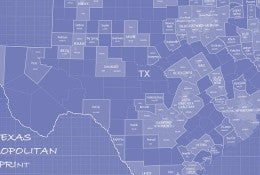
Texas metros are the engines driving the state’s robust economy. To ensure things run smoothly in the future, metropolitan areas need to be at the center of state policy. The collaborative Texas Metropolitan Blueprint provides a plan for continuing and building on the metropolitan progress that benefits the entire state.
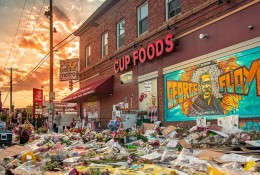
In the 10 months since the killing of George Floyd, has policing in America changed at all? We need to rethink what it means to protect and serve the well-being of citizens.
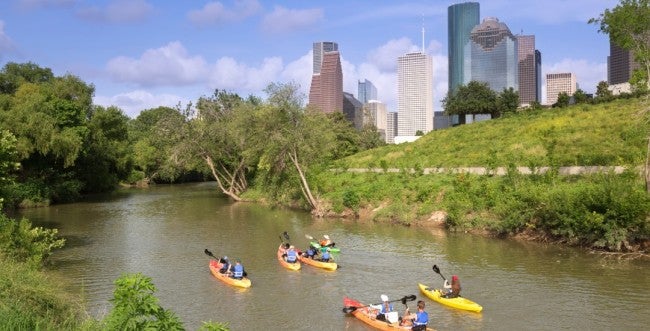
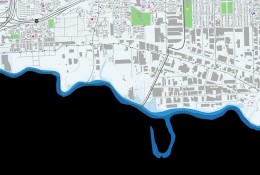
As the Buffalo Bayou Partnership looks east, some of the first improvements planned include mixed-income housing options, a Japhet Creek pocket park in the lower Fifth Ward, wharf and dock reconstruction in the Second Ward and filling gaps in existing trails. But it all started with connecting to communities.
FEATURES:
PUBLIC HEALTH, HOUSING, PLACEMAKING
Body
Insights in your inbox
Stay updated with the Kinder e-NEWS — highlighting research, data and events driving Houston forward. For deeper dives and smart solutions, subscribe to the Urban Edge.