Regular physical activity may be the closest thing we have to a “magic bullet” to combat the obesity epidemic and alarmingly high rates of cardiovascular disease. Physical activity offers dramatic benefits for individuals but it also has the potential to knit together the social fabric of our communities, making us healthier physically and mentally. And it is free. So, what’s holding us back? As it turns out, something as easy as a safe walk around the neighborhood is out of reach for too many communities.
On May 11, 2021, Rice University’s Kinder Institute for Urban Research released the results of the 40th annual Houston Area Survey. Among the findings: 22% of respondents – a far higher share than in any previous survey – rated “public health” as the “biggest problem facing people in the Houston area today.”
The United States of America leads all high-income nations in COVID-19 deaths, even though as a nation it had the greatest access to antiviral vaccines and therapeutics. To understand this disconnect, we can look to the COVID-19 deaths and disability in the state of Texas. Because of COVID-19, Texas is enduring one of the greatest human tragedies in its 186-year history. It did not have to be this way.
Settegast’s estimated life expectancy of 65.7 years, more than 20 years lower than the highest expectancies in Clear Lake and River Oaks, makes it among the most vulnerable communities in our area. While residents of the historically Black neighborhood in northeast Houston have called out inequities over the course of several decades, those concerns have mostly gone unheeded. But there is hope that change is coming.
FEATURES:
PUBLIC HEALTH | SOCIAL AND ECONOMIC DISPARITY
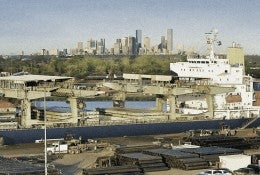
My wife and I couldn’t believe it. When we retired and moved back home to Houston’s historically Black Pleasantville, just east of downtown, we smelled the unmistakable odor of the petrochemical plants and saw the close-knit community where we’d grown up surrounded by noisy freeways. The apartments where friends of mine lived had been replaced by warehouses swarming with old diesel trucks.
PERSPECTIVES:
PUBLIC HEALTH | SOCIAL AND ECONOMIC DISPARITY