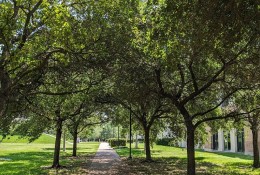
New datasets on the Kinder Institute’s Urban Data Platform (UDP) make it possible to understand how tree canopy coverage has changed in the past decade across the Houston region. In short: We appear to be losing trees faster than we are planting them.
A new comprehensive federal report documenting the effects of climate change across the country includes Kinder Institute research to bring attention to Harris County’s vulnerabilities.
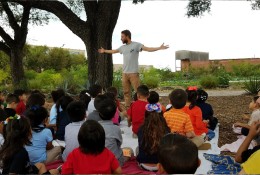
Finca Tres Robles, an urban farm in Houston’s East End established by the Small Places organization in 2014, is in a state of transition. It initially combined agriculture, community engagement and sustainability. As it moves into its second iteration, it will continue that work with hopes of expanding its reach.
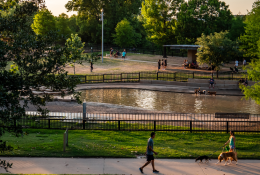
During the height of the COVID-19 pandemic, urban parks and greenspace provided welcome respite and recreation when people had to spend a lot of time indoors. That renewed appreciation for parks confirmed what many researchers have been pointing out for decades: They provide cities huge benefits for public health, the environment and the economy.