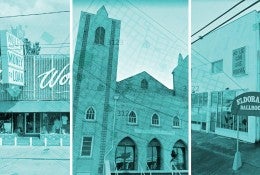
Despite the current coronavirus-driven economic slowdown and drop in oil prices, Houston continues to be one of the fastest-growing and most prosperous metropolitan areas in America. The metro area continues to add about 100,000 residents annually and has a gross domestic product of a half-trillion dollars per year.
Ridership in most major metropolitan areas of the U.S. has been steadily declining in recent years. And transit experts worry about the trend’s impact on cities — economically and socially. But when you improve buses, as the experience in Houston and in so many other places shows, ridership and relevancy increase.
INTERVIEWS:
DEMOGRAPHICS | TRANSPORTATION | SOCIAL AND ECONOMIC DISPARITY
It’s a tough time of year for homeowners in Houston. In November, a letter arrives from the Harris County Tax Assessor-Collector with next year’s property tax bill. Some people pay their taxes every month with their mortgage. Others, like me, end up writing a big check in January.
Since the turn of the century, many neighborhoods in or near the heart of Houston and the state’s other large metropolitan areas — Dallas, San Antonio and Austin — have been transformed by the ongoing inflow of affluence. A change better known as gentrification.
It’s been a decade since the Kinder Institute for Urban Research was formed at Rice University. During that time, a lot has changed at the institute and in the Houston metropolitan area. In 2020, the Urban Edge will feature a number of stories related to the 10-year anniversary of the institute. To kick things off, let's compare the Houston area of 2010 with the city today.