Shaping Africa’s urban areas to withstand future pandemics
In many African cities, the combination of density, widespread financial insecurity and underdeveloped health care systems make them especially vulnerable to being hit hard by COVID-19.
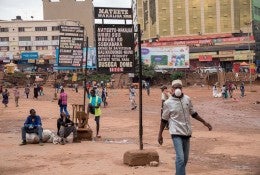
Shaping Africa’s urban areas to withstand future pandemics
In many African cities, the combination of density, widespread financial insecurity and underdeveloped health care systems make them especially vulnerable to being hit hard by COVID-19.
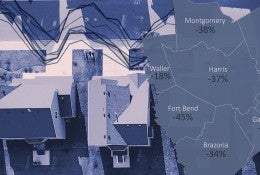
Mobility data shows some staying at home more than others during COVID-19 pandemic
Researchers studying the impact of stay-at-home mandates on the area’s environment and infrastructure share insight into which county populations are limiting their movement — and potential exposure to the coronavirus — more than others.
Boom likely to resume but leaders need to square disparities in the Texas Triangle
Despite the current coronavirus-driven economic slowdown and drop in oil prices, Houston continues to be one of the fastest-growing and most prosperous metropolitan areas in America. The metro area continues to add about 100,000 residents annually and has a gross domestic product of a half-trillion dollars per year.
How the COVID-19 pandemic will change our cities
The SARS-CoV-2 virus has forever changed the world and life as we know it. Once the current pandemic is over, it will also change our approach to where we work, how we get there and more.
Here’s what our cities will look like after the coronavirus pandemic
Editor’s note: This is the first of two posts exploring the long-term effects the COVID-19 crisis will have on the American city. Once we get through this, cities as we know them will be changed forever.
Rice University
Kraft Hall
6100 Main Street, Suite 305
Houston, TX 77005-1892