The Kinder Institute’s second annual “State of Housing” report comes as Houston—and much of the country—remains in the midst of a residential real estate bonanza. A yearlong buying spree, fueled by a combination of factors, is driving the country to historically low inventory levels and propelling prices ever higher.
Ebenezer Howard wanted an antidote to London — a dark, fetid place with social inequities, toxic air and water, overcrowding and rampant infectious disease. So, he decided to experiment with combining town and country.
The Kinder Institute’s “Re-Taking Stock” report reveals the good, the bad and the best about the city’s housing growth patterns. When it comes to urban infill, there is a lot going right in city, but that doesn’t mean everything is perfect.
The residents of University Village in Greater Third Ward made a very strong case for turning a vacant lot into a pocket park in their neighborhood — and the city listened.
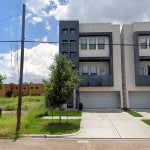
The development of townhomes in Houston predominantly has taken place in high-amenity neighborhoods where gentrification has already occurred. The latest report from the Kinder Institute also shows new townhome construction is growing in at-risk neighborhoods, a trend that appears to be speeding gentrification in those communities.
Texas metros are the engines driving the state’s robust economy. To ensure things run smoothly in the future, metropolitan areas need to be at the center of state policy. The collaborative Texas Metropolitan Blueprint provides a plan for continuing and building on the metropolitan progress that benefits the entire state.
As the Buffalo Bayou Partnership looks east, some of the first improvements planned include mixed-income housing options, a Japhet Creek pocket park in the lower Fifth Ward, wharf and dock reconstruction in the Second Ward and filling gaps in existing trails. But it all started with connecting to communities.
As access to the COVID-19 vaccination becomes increasingly widespread, it seems possible to see the light at the end of the tunnel. But what’s next for cities? Here are six ways cities will be different — from Zoomburbs and public transit to the fate of retail and housing — in the years to come.
As the housing demand continues to outpace supply, prices have risen to levels not seen since 2008. While industry analysts don’t see the current boom going bust like the one leading up to the Great Recession, they are nonetheless concerned. One fear is the market could put homeownership out of reach for a generation of Americans and be bad for everyone in the long run.
In the past, the influx of Californians to Texas has fluctuated from year to year. However, since 2018, the West Coast migration has remained high. Why is that? (Hint: It’s not oil prices.)
A new study shows large, small and midsize cities with the highest — and lowest — minority homeownership rates. The No. 1 city in the U.S. is a Houston suburb.