All day long, cars and trucks speed down Rushmore Boulevard, a high-traffic roadway that separates a pair of lifelong friends in the book “The Busiest Street in Town.” That is, until they decide to take matters into their own hands to slow the traffic and make the street safe for everyone. It may be a children’s book but the story doesn’t have to be a fairy tale.
Research consistently shows that higher education pays — for both individuals and society. There’s a direct correlation between the level of postsecondary education and the amount of money a person makes, how much they pay in taxes, their degree of civic engagement and even their health. On average, those with a bachelor’s degree earn 31% more than those with an associate degree and 62% more than those with a high school diploma alone.
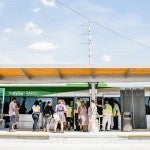
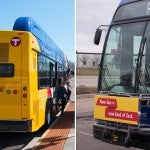
Metro Transit, which operates public transportation service in the Twin Cities metropolitan area, launched the region’s first bus rapid transit line (BRT) in 2016 with its METRO A Line. Last year, a second BRT line was added, and more are planned for the future.
It will take 20 years to implement the METRONext plan but if done correctly, getting riders where they want to go will be the top priority and the entire Metro system will work in concert to provide the best service possible.
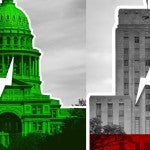
Texas’ leading political figures have made it clear they don’t have much use for local government. From curbing cities’ ability to generate property tax revenue to a call for banning localities from lobbying in Austin, state officials continue to limit the power of local governments.
Research shows housing vouchers lead to improvements for families — children, in particular. Unfortunately, for many in Houston, limits on the program are blocking their access to those opportunities.
Houston area voters will decide November 5 whether or not to support Metro’s ballot referendum, which borrows $3.5 billion for system improvements and expansions.
At the kickoff to SXSW 2019, Harvard economist and senior fellow at the Manhattan Institute, Ed Glaeser, highlighted how big data and cities can transform policymaking – but how can Houston leverage these tools?