There’s no question the United States is living off past investments in infrastructure without building the new infrastructure we need — or even upgrading the old infrastructure we have. It’s time to invest heavily in quasi-public infrastructure and ramp up effective public oversight of that infrastructure so it will work for us in emergency situations.
From an eviction moratorium to support for infrastructure, transportation and affordable housing, there are many moves President Joe Biden may make that will benefit cities. Here’s a look at some of them.
The city’s strong mayor has the power to set the City Council agenda, which means nothing can go before the council without the mayor’s OK. A coalition led by the fire union is trying to rein in that strength.
To effectively monitor police and investigate cases of alleged misconduct, oversight boards need independence, access to information and evidence, and adequate funding. If given sufficient power and authority, these agencies can hold police departments accountable for officers’ actions and build public trust. A new Kinder Institute report examines the police oversight systems in the state’s five largest cities to see how they compare.
After a car-centric urban renewal plan irrevocably changed the town where he grew up, a young urbanist found the essence of Auburn, New York, in Southern California.
Roland B. Smith Jr. is from Washington, D.C., whose residents weren’t allowed to vote in a presidential election until 1964. Growing up, his mother would travel almost 500 miles by bus or train from D.C. to Asheville, North Carolina, where she grew up, just to vote. Roland B. Smith Jr. always votes.
In the past four-plus months, many cities have been confronted with renewed outcries to remove offensive or ‘problem’ monuments that commemorate values of a bygone era. In some cases, these statues have been forcibly removed. In the latest essay in his ongoing series of stories about cities and why they are great, Bill Fulton revisits how Ventura, California, handled the controversy surrounding a statue of Father Junipero Serra.
NIMBY opposition alone isn’t enough to counter the harmful effects of air pollutants emitted by concrete batch plants located in underserved and over-polluted communities in Harris County, which is home to more of these facilities than any county in Texas. Too often, much of the pollution and many of the polluters largely go unchecked by the state.
Mayor Sylvester Turner’s Task Force on Policing Reform has started its work, drawing on a very broad set of local leaders, activists and citizens. A series of similar task forces were launched in Los Angeles in the 1990s, all of which arose from controversies and scandals within the LAPD. What can Houston learn from LA’s “blue ribbon” police task forces?
While not all Americans support dismantling or defunding the police, recent surveys show the overwhelming majority do agree that changes in police training are needed. Most also think police officers shouldn’t be protected from being sued by “qualified immunity.” Part 2 of our reading list on policing brings together a collection of works on the culture within police organizations.
Renters in Texas were some of the first in the nation to face evictions after the state’s moratorium blocking eviction proceedings expired last month. A U.S. Census Bureau survey finds that 33% of renter households in Texas have little or no confidence in their ability to pay rent for July.
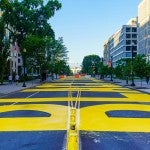
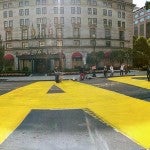
Washington, D.C. Mayor Muriel Bowser ordered “BLACK LIVES MATTER” to be painted on a street near the White House. The act would have been considered vandalism had it not been done by city workers.
Highways that divide neighborhoods, crumbling local streets, poorly maintained public spaces and proximity to unhealthy industrial sites — impact black and brown communities far more than wealthier, predominately white neighborhoods. These inherent inequalities in the nation’s infrastructure systems are problems that arise from decades of racial inequality and disinvestment.
As a former police officer of 27 years and a scholar who has written on the policing of marginalized communities, I have observed the militarization of the police firsthand, especially in times of confrontation.