

America needs more police — just a different kind
URBAN EDGE :
In the 10 months since the killing of George Floyd, has policing in America changed at all? We need to rethink what it means to protect and serve the well-being of citizens.
America needs more police — just a different kind
In the 10 months since the killing of George Floyd, has policing in America changed at all? We need to rethink what it means to protect and serve the well-being of citizens.

3 ways the city can help Houstonians better prepare for the next pileup of disasters
With more extreme weather events and disasters in our future, we need to change how our city prepares for these shocks and their long-lasting impacts so that Houstonians will take disaster preparedness more seriously.

6 post-pandemic predictions about how cities will be different going forward
As access to the COVID-19 vaccination becomes increasingly widespread, it seems possible to see the light at the end of the tunnel. But what’s next for cities? Here are six ways cities will be different — from Zoomburbs and public transit to the fate of retail and housing — in the years to come.

Why it’s time to worry about soaring home prices in America
As the housing demand continues to outpace supply, prices have risen to levels not seen since 2008. While industry analysts don’t see the current boom going bust like the one leading up to the Great Recession, they are nonetheless concerned. One fear is the market could put homeownership out of reach for a generation of Americans and be bad for everyone in the long run.

Houston is a top city for women in tech. Gender equity will make it better.
Women faced disadvantages in pay and promotions at work before COVID-19, and for many, the pandemic has only widened that deficit. How can we better address those gaps and improve equity in the years to come?

A Bottom-Up Infrastructure Strategy for American Renewal
This report identifies infrastructure priorities identified by local and regional leaders around the nation. Conclusions provide an important set of guideposts about priorities the new administration should take into account in crafting a national infrastructure strategy.

5 lessons Trader Joe’s can teach the city of the future
Making the cities of tomorrow more resilient to pandemics and other threats won’t require completely rethinking planning and design as we know them, but it will require functional problem-solving, practical solutions, better data mining and analysis, and more flexibility. All of which have helped the beloved grocery store chain improve its bottom line during the COVID-19 pandemic.

Imagine there’s no traffic. Amid the pandemic, it isn’t as hard to do.
A recently released traffic index shows the dramatic effect remote work and stay-at-home orders had on congestion levels in more than 400 cities around the world, including 80 in the U.S. Houston saw 33% less traffic in 2020 than in 2019, and the congestion level dropped from 24% to 16%. But as the COVID-19 vaccine is more widely distributed and driving habits move toward pre-pandemic levels, the declines are expected to disappear.

Is Houston still one of the most generous cities in the US?
With a rich history as a philanthropic city, Houston has a reputation as one of the nation’s most charitable metros. However, a recent ranking doesn’t find the city to be quite so generous.

Buoyed by a suburban shift, the pandemic housing market continues to soar
In the Houston area and affordable metros and small- and mid-size cities across the U.S., sales of single-family homes are on pace to hit record highs. How much of the boom can be attributed to the COVID-19 crisis?
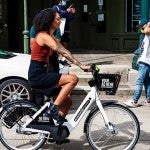
With added e-bikes, Houston bike share charges forward with expansion
BCycle rolls out the first batch of its electric bikes, which could help riders go farther and choose to bike more often. The boost from the e-bikes, along with plans to install more docking stations, should extend the network’s reach and improve access to biking for many in the city.

Stay safe on Halloween with this color-coded map of COVID-19 risk levels by county
These are frightening times, but there are safe ways to celebrate Halloween this year. It’s important to follow the guidelines on hygiene and social distancing and know the risk of COVID-19 infection where you live. There’s even a color-coded map to help you assess the risk level by county.

Students: Don’t leave college money on the table by failing to file a FAFSA
Research shows that students in higher-poverty school districts are less likely to complete the FAFSA than students in wealthier districts. So far this year, which has been greatly disrupted by the pandemic, completion rates are down at all levels, especially in high-minority and Title 1 high schools.
Let’s fund parks like the essential infrastructure they are
Great public spaces are equitable places that bring people who are not the same together. Cities need to think bigger when it comes to funding parks, trails, libraries and other civic assets because the return on investment can be huge.
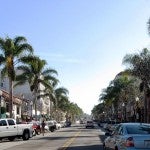
Pandemic pivot: My favorite street is closed to cars — but open to people
Main Street in Ventura, California, which has been closed to cars and opened to restaurants and other businesses affected by the coronavirus, is my favorite street. This essay is both a discussion of what makes a great street and a personal reminiscence about what this particular street means to me.
Rice University
Kraft Hall
6100 Main Street, Suite 305
Houston, TX 77005-1892