Settegast’s estimated life expectancy of 65.7 years, more than 20 years lower than the highest expectancies in Clear Lake and River Oaks, makes it among the most vulnerable communities in our area. While residents of the historically Black neighborhood in northeast Houston have called out inequities over the course of several decades, those concerns have mostly gone unheeded. But there is hope that change is coming.
FEATURES:
PUBLIC HEALTH | SOCIAL AND ECONOMIC DISPARITY
It’s really quite a lovely park, with features that check all the standard boxes: a playground, a gazebo with a big table, a soccer field, restrooms and water fountains, a paved trail that winds through the property, and lots of plain old green space. On a recent weekday afternoon, though, a visit to Tony Marron Park on Houston’s East End revealed a few glitches.
PERSPECTIVES:
HOUSING | SOCIAL AND ECONOMIC DISPARITY
My wife and I couldn’t believe it. When we retired and moved back home to Houston’s historically Black Pleasantville, just east of downtown, we smelled the unmistakable odor of the petrochemical plants and saw the close-knit community where we’d grown up surrounded by noisy freeways. The apartments where friends of mine lived had been replaced by warehouses swarming with old diesel trucks.
PERSPECTIVES:
PUBLIC HEALTH | SOCIAL AND ECONOMIC DISPARITY
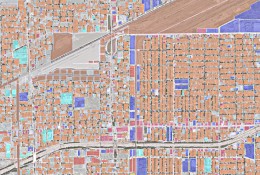
A new book, “Arbitrary Lines,” argues that a century of zoning has hardened racial and class segregation in cities across the U.S. and worsened the effects of inequality by making it almost impossible to build anything but single-family homes in some cities. Author and planner M. Nolan Gray says there is a better way: Just look at Houston.
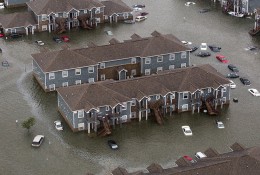
In the wake of two historically devastating storms in 2017, financial aid from the Federal Emergency Management Agency and the U.S. Department of Housing and Urban Development contributed to an increase in wealth inequality.