This brief looks at variation in teachers' value-added scores in relation to both the teachers and students as well as the scores of teachers at both low- and high-performing schools over time.
This report presents some of the most important findings from the Houston Education Survey, the second of three focused surveys that are together called the “SHEA” studies (“Surveys of Health, Education, and the Arts”).
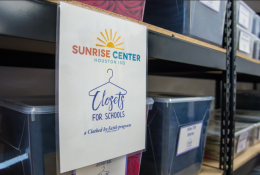
The Houston Independent School District bolstered its wraparound services with the opening of seven Sunrise Centers, which assist with a variety of noninstructional needs, including after-school care, clothing, enrichment activities, food, health care, school supplies and other resources.
Tens of thousands of students in the Houston area change schools during the school year or over the summer, which poses a variety of problems for academic achievement, according to the Kinder Institute’s Houston Education Research Consortium. In some cases, students are not moving schools for academic reasons, but because of housing needs — their families are facing eviction or in search of more affordable rent.
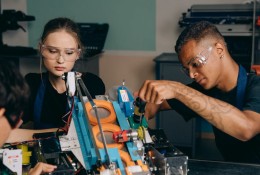
“Career and technical education,” or CTE, tends to conjure up the image of students receiving hands-on training in high-wage technical occupations such as welding or HVAC repair. These programs do indeed provide the skills and experience to succeed in such fields, but today’s CTE offerings go far beyond the vocational training of previous decades.