With a rich history as a philanthropic city, Houston has a reputation as one of the nation’s most charitable metros. However, a recent ranking doesn’t find the city to be quite so generous.
In the Houston area and affordable metros and small- and mid-size cities across the U.S., sales of single-family homes are on pace to hit record highs. How much of the boom can be attributed to the COVID-19 crisis?
BCycle rolls out the first batch of its electric bikes, which could help riders go farther and choose to bike more often. The boost from the e-bikes, along with plans to install more docking stations, should extend the network’s reach and improve access to biking for many in the city.
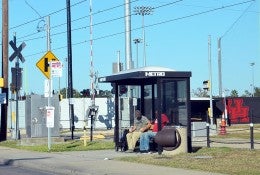
According to LINK Houston’s “Equity in Transit: 2020” report, roughly 867,000 Houston residents live in areas warranting more affordable transportation options for people who walk, bike and ride public transit. Transit plays a central role in connecting people to jobs, education, health care and many other opportunities.
Tamika L. Butler loves biking, transit and transportation, and she advocates for all three because she cares about her family and wants to build a better world for them. That’s why, when talking about transportation, planning and the built environment — especially now, when transit agencies are considering drastic cuts because of the pandemic — she always talks about race.