Kinder Institute Luncheon 2026
EVENT :
Join civic leaders, community members and researchers for a first look at the Kinder Houston Area Survey, one of the nation's longest-running studies of a metropolitan area.
Kinder Institute Luncheon 2026
Join civic leaders, community members and researchers for a first look at the Kinder Houston Area Survey, one of the nation's longest-running studies of a metropolitan area.
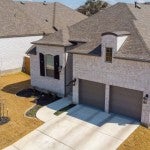
Houston’s build-to-rent market keeps growing. Will federal legislation bring it down?
Houston’s small but fast-growing build-to-rent segment — in which companies construct new single-family homes and townhouses specifically to lease them — faces a major threat from federal legislation that would force most developers to sell their new properties.
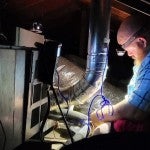
Left in the cold: These Houston residents report lack of safe, reliable heating in winter
Early results from a Kinder Institute survey show 12% of Harris County residents don’t have safe, reliable heat at home.
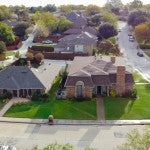
Are corporate buyers hogging single-family homes in Harris County? Here’s what the data shows.
A Kinder Institute analysis shows nine large companies own about 1% of single-family homes in Harris County.

Urban Edge’s most-read stories in 2025: Public housing, population growth articles top the list
These seven Urban Edge articles garnered the most reader interest in a busy year for Houston.


FEMA buyouts vs. risky real estate: New maps reveal post-flood migration patterns across the US
New research and maps show most people with homes in flood-prone areas sell their properties instead of taking a federal buyout.
‘Just stuck out here’: Bus riders simmer under sun in Houston’s hottest neighborhoods
Harris County residents routinely wait for buses under the scorching sun with no shelter, a burden that impacts health and habits, according to Kinder Institute research.

Federal disaster aid is coming to Houston. Why most property owners will get left out.
Help could soon arrive for Houstonians with property damaged in last year’s two major storms — though not enough to cover even half of the still-needed repairs.
Rice University
Kraft Hall
6100 Main Street, Suite 305
Houston, TX 77005-1892