The image of the suburbs as being home to only white and wealthy residents whose ‘suburban lifestyle dream’ is being threatened doesn’t square with the reality of American life in 2020. Half of Black Americans live in the suburbs, which are much more diverse — both racially and economically — than many urban areas.
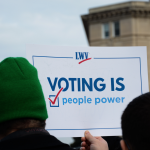
Roland B. Smith Jr. is from Washington, D.C., whose residents weren’t allowed to vote in a presidential election until 1964. Growing up, his mother would travel almost 500 miles by bus or train from D.C. to Asheville, North Carolina, where she grew up, just to vote. Roland B. Smith Jr. always votes.
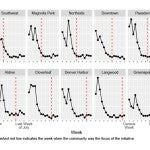
This document evaluates efforts undertaken by Houston in Action and partners across Harris County, Texasduring the 2020 “Say Yes to the Census” campaign. The primary goal is to understand whether efforts to contact individuals in Harris County and inform them about the 2020 Census had an impact on the 2020 Census response rates.
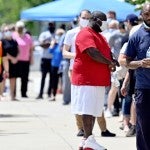
Overall, waiting times may be improving — but long waits are still common in Black communities. As the percentage of nonwhite voters in a precinct increases, so do wait times.
The most-popular Urban Edge stories from the past year ranged in topic from dockless scooters and the growth rate of Dallas to the unequal distribution of trees in the city and the Opportunity Zone program. But the most popular topic of 2019 was TxDOT’s enormous I-45 expansion plan.
This is a part of a series connected to our partnership with the Greater Houston Community Foundation's regional project Understanding Houston. This story, and others, also appears on the Understanding Houston website.
This story was first published by The Texas Tribune, a nonprofit, nonpartisan media organization that informs Texans — and engages with them — about public policy, politics, government and statewide issues.
On November 5, the City of Houston will hold elections to choose a mayor, controller, and 16 council members to serve four-year terms from January 2020 to January 2024.
This week, more bad news about Uber and Lyft's impact on transit, the link between maternal mental health and mobility, whether public testimony really changes policy and more.
In case you can't get enough, we've got several looks at what the midterm results mean for transit and housing, a shifting suburban voter profile and more.
This week, what happens when hundreds of thousands of affordable properties lose the restrictions keeping them affordable, what do those early voting numbers mean and how is climate change affecting real estate?