Renters in Texas were some of the first in the nation to face evictions after the state’s moratorium blocking eviction proceedings expired last month. A U.S. Census Bureau survey finds that 33% of renter households in Texas have little or no confidence in their ability to pay rent for July.
Washington, D.C. Mayor Muriel Bowser ordered “BLACK LIVES MATTER” to be painted on a street near the White House. The act would have been considered vandalism had it not been done by city workers.
Highways that divide neighborhoods, crumbling local streets, poorly maintained public spaces and proximity to unhealthy industrial sites — impact black and brown communities far more than wealthier, predominately white neighborhoods. These inherent inequalities in the nation’s infrastructure systems are problems that arise from decades of racial inequality and disinvestment.
As a former police officer of 27 years and a scholar who has written on the policing of marginalized communities, I have observed the militarization of the police firsthand, especially in times of confrontation.
The state’s property tax reform bill, which limits the amount cities and counties can raise property taxes to 3.5%, is expected to significantly affect one of the largest sources of revenue for local governments. Many will be looking for ways to circumvent the financial constraints of the measure. That’s something Houston has been dealing with since 2004.
Houston lost $25 million in sales tax revenue in March alone because of COVID-19. But the city’s fiscal struggles existed before the coronavirus pandemic.
A new Kinder Institute report compares the revenue sources and service levels among the three largest cities in Texas — Houston, Dallas and San Antonio — all of which are expected to see COVID-19-related revenue losses of between 10 and 15%. Of the three, Houston is the most constrained in its options for increasing revenue.
As the city faces an economic crisis brought by the coronavirus pandemic and the downturn in oil, it needs to recognize the enormous opportunity to make changes that are necessary to become a leading 21st-century city.
For the past six years, Andrea Roberts has been dispelling misconceptions about the history of African American placemaking in Texas through her Texas Freedom Colonies Project.
One day before the release of the city’s Resilient Houston plan on Wednesday, a new network of resilient cities was publicly announced at the UN-Habitat World Urban Forum in Abu Dhabi. Houston will be a member of the network.
As Houston strives to improve transit, shrink its carbon footprint and make streets safer for all modes of transportation, it may be struggling to rise above the status quo in some areas.
Texas’ leading political figures have made it clear they don’t have much use for local government. From curbing cities’ ability to generate property tax revenue to a call for banning localities from lobbying in Austin, state officials continue to limit the power of local governments.
This story was first published by The Texas Tribune, a nonprofit, nonpartisan media organization that informs Texans — and engages with them — about public policy, politics, government and statewide issues.
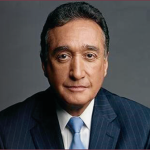
Former Mayor and former Secretary of Housing and Urban Development Henry Cisneros shares strategies for inclusive growth, improving urban and social infrastructure and planning for affordable housing.
On November 5, the City of Houston will hold elections to choose a mayor, controller, and 16 council members to serve four-year terms from January 2020 to January 2024.