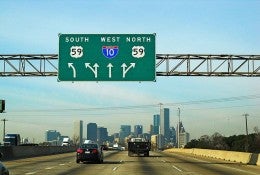
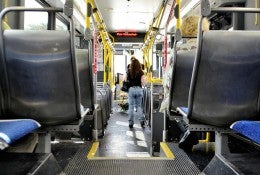
Bus rapid transit — BRT for short — is part of METRO’s plan for improving public transportation in the Houston area. It will feaure 75 miles of MetroRapid service on dedicated, bus-only lanes. Here’s a breakdown of BRT.
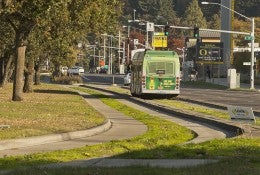
Ridership in most major metropolitan areas of the U.S. has been steadily declining in recent years. And transit experts worry about the trend’s impact on cities — economically and socially. But when you improve buses, as the experience in Houston and in so many other places shows, ridership and relevancy increase.
INTERVIEWS:
DEMOGRAPHICS | TRANSPORTATION | SOCIAL AND ECONOMIC DISPARITY
The Kinder Institute for Urban Research is launching a new survey to better understand housing and neighborhood challenges faced by those living with disabilities in Houston.
This is a part of a series connected to our partnership with the Greater Houston Community Foundation's regional project Understanding Houston. This story, and others in the series, also appears on the Understanding Houston website.
In 2015, METRO took its outdated bus network down to the studs and designed an entirely new regional transit system that made bus service less complicated and more frequent along the busiest routes. The results made transportation officials in cities across the country take notice.