A new report shows most local economies aren’t delivering enough high-quality jobs to support the cost of raising a family. As cities across the nation work to recover from a recession that has worsened the preexisting challenge of struggling families, how can more jobs be created or upgraded to pay a family-sustaining wage?
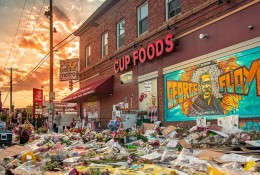
In the 10 months since the killing of George Floyd, has policing in America changed at all? We need to rethink what it means to protect and serve the well-being of citizens.
As the Buffalo Bayou Partnership looks east, some of the first improvements planned include mixed-income housing options, a Japhet Creek pocket park in the lower Fifth Ward, wharf and dock reconstruction in the Second Ward and filling gaps in existing trails. But it all started with connecting to communities.
With more extreme weather events and disasters in our future, we need to change how our city prepares for these shocks and their long-lasting impacts so that Houstonians will take disaster preparedness more seriously.
In 2020, the City of Houston and regional stakeholders cemented a resilience strategy and a climate action plan, which were adapted to reflect COVID-19’s impact on urban life. The Kinder Institute has gathered information and updates on the progress made in the first year of these efforts in one place.