Any attempt by Houston or Harris County to build new affordable housing will be for naught if thousands of existing units become unaffordable along the way. The Kinder Institute’s Housing Preservation in Harris County report examines the state of both forms of housing in hopes of identifying how the community can keep housing accessible to its working class residents.
Many houses of worship own empty and underused buildings and land. Cities and counties need properties for affordable housing. Seems like a match made in, well, heaven.
Racial segregation is so prevalent in American cities that it can seem normal, even natural. Many Americans, including government officials and everyday housing consumers, view segregation in this way. Housing market professionals, or those who professionally assist consumers with home buying or selling, are no exception.
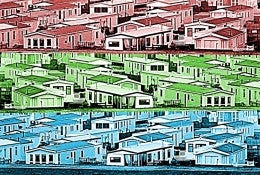
Mobile homes are the largest source of unsubsidized affordable housing in the United States and many are within mobile home parks—unique communities that are poorly understood by planning researchers and many practitioners.
After catastrophic floods—like those after Hurricane Harvey dumped several feet of rain on the Houston area four years ago—survivors generally have two options: rebuild, perhaps with the help of flood insurance or federal reimbursement programs, or relocate, perhaps by selling a damaged home or waiting for a government buyout program. A new study has found that the route people choose might have more to do with their pre-flood plans rather than the scale of the disaster itself. This has implications for how policies are designed to encourage resiliency and managed retreat.
INSIGHTS:
HOUSING | DISASTER RESILIENCE AND RECOVERY