By the end of 2020, Houston had potentially tens of thousands of fewer residents, data from the U.S. Postal Service suggests. Like other cities, it experienced a surge in migration as people began leaving urban areas amid the pandemic lockdowns. That shift is also continuing to take place well into 2021.
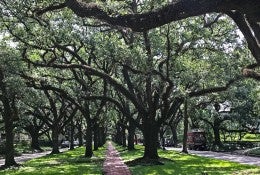
Trees provide significant benefits that can be felt both now and in the future, from lowering temperatures, fighting flooding and slowing climate change. But not all Houstonians enjoy the valuable shade and other advantages trees offer in equal measures. A new interactive mapping tool makes it easier to see which neighborhoods are most in need of more trees.
Economists studying the dramatic growth of new business activity found that the proportion of Black residents in a ZIP code had the greatest impact on the rate of increase and that business formation coincided with the stimulus payments.