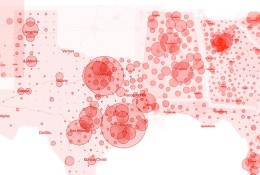
Those who need affordable housing most have been hardest hit by the coronavirus pandemic and ensuing economic crisis. And organizations that help create affordable housing opportunities in Houston and Harris County for these families are facing challenges — some anticipated, others not — in this new and uncertain world.
The efforts of demonstrators calling for racial justice for Black Americans has evolved into a global movement to address the economic, environmental, educational and health care disparities created by systemic racism in the United States. A new report compares and ranks the economies of all 50 states in terms of racial equality.
The sudden closure of museums, galleries, concert halls and theaters in March upended the art world. The resulting financial and personal impacts of the pandemic on artists and art lovers has been enormous. Can the arts stage a comeback?
The coronavirus pandemic has laid bare many of the disparities deeply rooted in our society. Given the technology available to us, such as data-gathering technologies, visualization systems and instantaneous communication, our ability to anticipate the future is unprecedented. Combining those resources with collective action, we can confront the issues we’re facing today and prepare for the challenging events of tomorrow.