
The struggle to preserve the Black experience in Houston
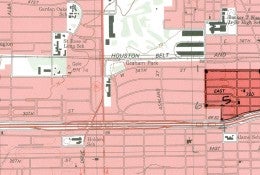
The National Register of Historic Places lists 290 entries for Houston. Of those, only 13 focus on the history of African-American residents.
FEATURES:
HOUSING | PLACEMAKING
The struggle to preserve the Black experience in Houston
The National Register of Historic Places lists 290 entries for Houston. Of those, only 13 focus on the history of African-American residents.
Lessons from the garden city and one planner’s plot to escape London
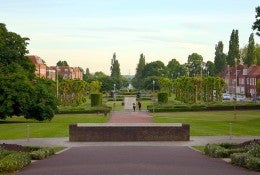
Ebenezer Howard wanted an antidote to London — a dark, fetid place with social inequities, toxic air and water, overcrowding and rampant infectious disease. So, he decided to experiment with combining town and country.
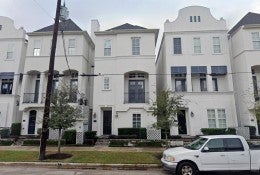
‘Detached townhomes,’ gentrifying the gentrifiers and housing regulation that is uniquely Houston
The Kinder Institute’s “Re-Taking Stock” report reveals the good, the bad and the best about the city’s housing growth patterns. When it comes to urban infill, there is a lot going right in city, but that doesn’t mean everything is perfect.
Can city-owned vacant lots fill the need for park equity in Houston?
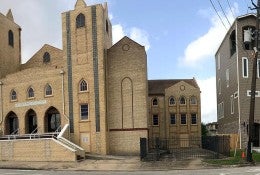
The residents of University Village in Greater Third Ward made a very strong case for turning a vacant lot into a pocket park in their neighborhood — and the city listened.
In Houston and everywhere else, (lot) size matters
The development of townhomes in Houston predominantly has taken place in high-amenity neighborhoods where gentrification has already occurred. The latest report from the Kinder Institute also shows new townhome construction is growing in at-risk neighborhoods, a trend that appears to be speeding gentrification in those communities.
Rice University
Kraft Hall
6100 Main Street, Suite 305
Houston, TX 77005-1892