
Filling Potholes: Analyzing the City of Houston's Response
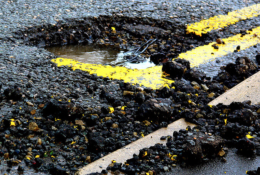
This report tracks the City of Houston's progress in filling potholes.
REPORT:
TRANSPORTATION
Filling Potholes: Analyzing the City of Houston's Response
This report tracks the City of Houston's progress in filling potholes.
What Seattle and Boise got right about Hispanic representation in city politics
Houston, Boise, and Seattle share a strong-mayor form of government, and its voters tend to favor progressive-leaning candidates. But these two majority-White cities have lifted Hispanic candidates into office in recent years, while representation has dwindled in Houston.

Coming out of the pandemic, how can cities counter 2020’s sharp rise in homicides?
Among 34 large cities studied, homicide rates increased almost 30% last year, compared to 2019. Reasons for the shocking spike relate in large part to the pandemic and its societal impacts, but the killing of George Floyd may have been a contributing factor as well. Evidence-based approaches and committed elected officials will be key to reducing violent crime in American cities going forward.
A blueprint for continued economic prosperity in Texas
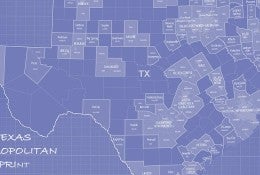
Texas metros are the engines driving the state’s robust economy. To ensure things run smoothly in the future, metropolitan areas need to be at the center of state policy. The collaborative Texas Metropolitan Blueprint provides a plan for continuing and building on the metropolitan progress that benefits the entire state.
One year in, what progress has Houston made in its plan to build resilience?
In 2020, the City of Houston and regional stakeholders cemented a resilience strategy and a climate action plan, which were adapted to reflect COVID-19’s impact on urban life. The Kinder Institute has gathered information and updates on the progress made in the first year of these efforts in one place.
Now that failing infrastructure has our attention, it needs our investment
There’s no question the United States is living off past investments in infrastructure without building the new infrastructure we need — or even upgrading the old infrastructure we have. It’s time to invest heavily in quasi-public infrastructure and ramp up effective public oversight of that infrastructure so it will work for us in emergency situations.
Rice University
Kraft Hall
6100 Main Street, Suite 305
Houston, TX 77005-1892