Where you live determines to a great extent how much access you have to quality education, health care, housing, public services and more. More access correlates to better outcomes in life. One-third of the Black population and almost one-third of the Hispanic population of Texas live in an economically distressed community. The populations of the Houston area’s distressed ZIP codes predominantly are people of color.
It depends on whom you ask, but according to one list, it does. Overall, suburban cities in the Houston area are affordable and economically healthy, but they don’t stack up well when it comes to education, health and quality of life.
Research shows that students in higher-poverty school districts are less likely to complete the FAFSA than students in wealthier districts. So far this year, which has been greatly disrupted by the pandemic, completion rates are down at all levels, especially in high-minority and Title 1 high schools.
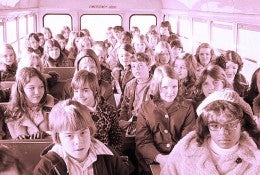
Contrary to popular opinion, efforts to integrate schools in the 1970s and 1980s were overwhelmingly successful, says economist Rucker C. Johnson. Johnson argues that we must renew our commitment to integration for the sake of all Americans.
FEATURES:
DEMOGRAPHICS | EDUCATION | SOCIAL AND ECONOMIC DISPARITY
There has been a lot of discussion and speculation about the future of cities and how they will change following the pandemic. What will that future look like for Black Americans, who have been abused, exploited, ground down and lied to in the past? As we move into the future, what will change? And what will stay the same?