
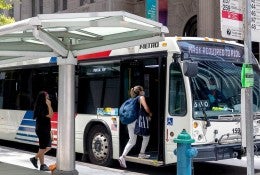
Pandemic POV: I got back on the bus this week — and it was fine
A longtime public transit rider describes what it was like to use Metro again for the first time in more than a year.
PERSPECTIVES:
PUBLIC HEALTH | TRANSPORTATION
Pandemic POV: I got back on the bus this week — and it was fine
A longtime public transit rider describes what it was like to use Metro again for the first time in more than a year.
Coming out of the pandemic, how can cities counter 2020’s sharp rise in homicides?
Among 34 large cities studied, homicide rates increased almost 30% last year, compared to 2019. Reasons for the shocking spike relate in large part to the pandemic and its societal impacts, but the killing of George Floyd may have been a contributing factor as well. Evidence-based approaches and committed elected officials will be key to reducing violent crime in American cities going forward.

How to lessen the long-term educational — and economic — consequences of the pandemic
If action isn’t taken now to address and counter the disruptions in the education of students during the COVID-19 pandemic, the damage will be long-lasting and disproportionate. Here are some ways to deal with the impact.

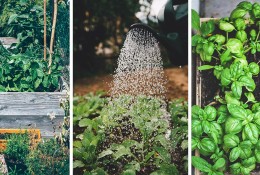
Urban gardening has taken root, and it’s time for cities to encourage new growth
For many, the pandemic has been a time of self-reflection and reassessing how and why we spend our days doing what we do and the quality of our lives. That includes what we eat and where it comes from, which has led to a renewed interest in urban gardens. How can cities rethink the use of land and shared spaces in ways that promote gardening and help residents reap the rewards?
45% of Houston families couldn’t make ends meet — then COVID-19 made things worse
A new report shows most local economies aren’t delivering enough high-quality jobs to support the cost of raising a family. As cities across the nation work to recover from a recession that has worsened the preexisting challenge of struggling families, how can more jobs be created or upgraded to pay a family-sustaining wage?

Rice University
Kraft Hall
6100 Main Street, Suite 305
Houston, TX 77005-1892