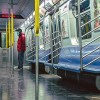
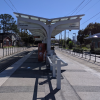
All transit agencies must grapple with committing the resources necessary to effectively identify inequity and address it. In 2020, the mandate to ensure an equitable transportation system is more urgent than ever.
From funding, planning and infrastructure, to design and policing, many transit agencies essentially have built two systems with different standards for “choice” and “dependent” riders (that is to say white and Black).
To ensure Houston ISD schools don’t miss out on important census-guided funding in the next decade, there needs to be a full and accurate local population count. Unfortunately, the city’s self-response rate trails that of the nation by close to 10%. And on top of that, the counting is now set to end a month earlier than originally planned.
As moratoriums on evictions expire and bonus unemployment benefits run out, many in Houston and across Texas face increasing uncertainty about their ability to pay for a place to live.
Overall, waiting times may be improving — but long waits are still common in Black communities. As the percentage of nonwhite voters in a precinct increases, so do wait times.
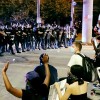
In the past 20 years, many social functions and gaps in city services have fallen to police departments, which, at the same time, have been acquiring more paramilitary equipment. Now, as cities face large budget deficits because of revenue losses from the COVID-19 pandemic and protestors call for defunding the police, it's yet to be seen how police services will be affected.
Highways that divide neighborhoods, crumbling local streets, poorly maintained public spaces and proximity to unhealthy industrial sites — impact black and brown communities far more than wealthier, predominately white neighborhoods. These inherent inequalities in the nation’s infrastructure systems are problems that arise from decades of racial inequality and disinvestment.
As a former police officer of 27 years and a scholar who has written on the policing of marginalized communities, I have observed the militarization of the police firsthand, especially in times of confrontation.
Researchers have developed a cost model to estimate the amount of funding needed to achieve national-average outcomes for poor students in each state. Their research shows Texas falls far short of adequate funding, and the Houston Independent School District spends less than half of what would be needed to achieve national-average outcomes.
While local decision-makers and individuals tend to view housing and transportation separately, effectively addressing affordability for Houstonians means considering housing and transportation expenses together.
A dashboard created by the Kinder Institute’s Houston Community Data Connections shows job-loss estimates in each Harris County community. Many of the areas impacted most by the economic downturn are home to low-income renters, the working poor and single-parent households.
As a stay-at-home order takes effect for residents of Houston and Harris County, the importance of social solidarity and working together for the common good become even more crucial to protecting our most vulnerable neighbors.
Why are there so few studies charting displacement and cultural decline in non-gentrifying neighborhoods? According to this commentary, the implicit assumption in most gentrification research is that if a neighborhood doesn’t change, it stays the same. And that displacement by decline is much more common and more harmful than displacement due to gentrification.
Near Northside residents’ perception of safety and the quality of streets and sidewalks are assessed in a pair of new reports from the Kinder Institute. The findings show subpar infrastructure and fears of crime and cars are endangering many in the neighborhood.